Art in bloom
From symbols of beauty to reflections on life’s transience, flowers have inspired some of Rome’s most vivid works of art
By Andrea Werther
If April’s showers have done their job, Rome in May bursts into bloom—not only in its gardens and parks, but also across its art scene. Throughout the centuries, Roman artists have adorned their works with botanically accurate floral details, often featuring tulips, roses, peonies, irises, carnations, and anemones, sometimes alongside orange blossoms or jasmine. For a flower-themed tour of the city, here are some of the city’s most iconic blossoms.
Loggia of Cupid and Psyche, Villa Farnesina
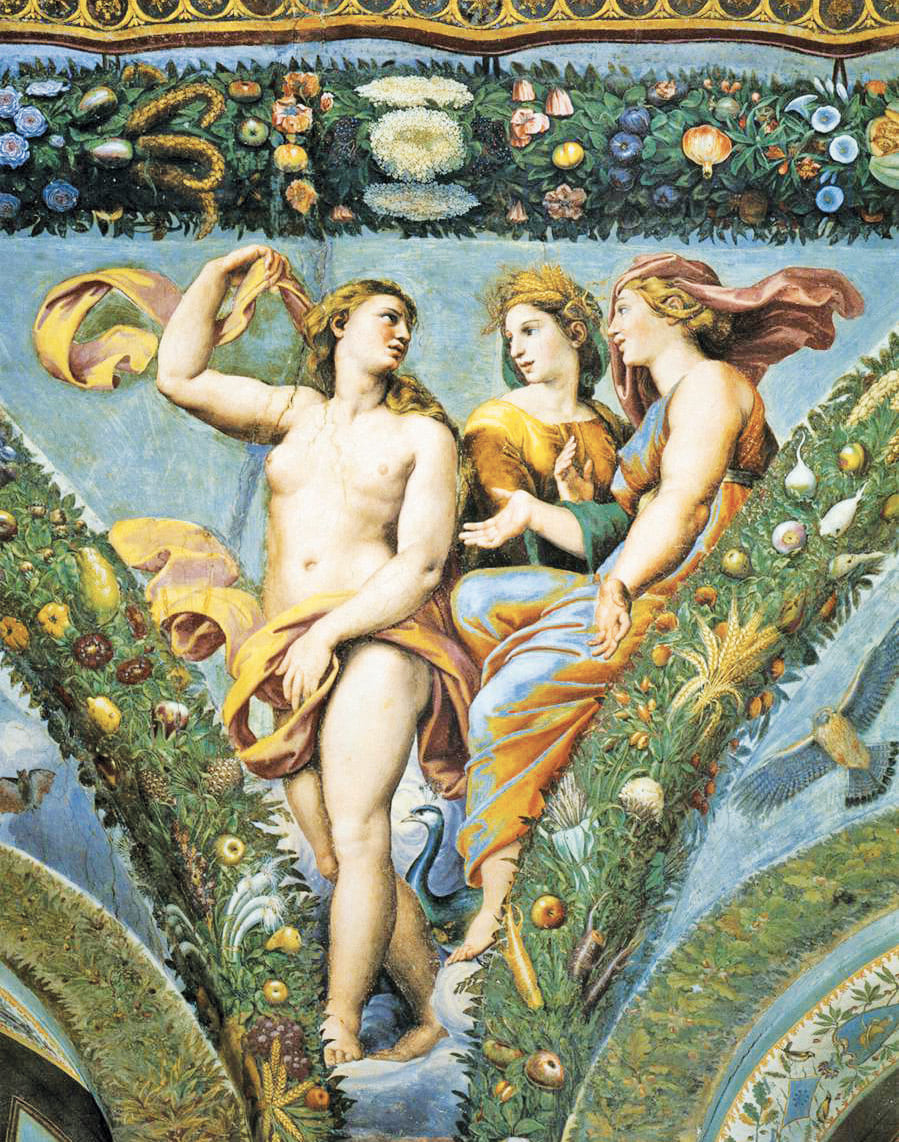
One of Rome’s most enchanting Renaissance spaces, Villa Farnesina is renowned for its frescoes by Raphael and his circle. The Loggia of Cupid and Psyche is its crowning jewel: the vaulted ceiling bursts with mythological scenes framed by lavish garlands of flowers, fruit, and foliage painted by Giovanni da Udine. Featuring over 200 identifiable plant species, including roses, myrtle, laurel, ivy, pomegranate, grapevine, and even exotic arrivals such as maize (corn) and pumpkin, the decorations create an extraordinary suspended garden of color and life.
Vatican Loggias, Raphael
A similar floral triumph can be admired in the Vatican Loggias frescoed by Raphael and his workshop. Inspired by ancient Roman grotesques, the painted decorations display a variety of stylized flowers such as lilies, acanthus leaves, vines, and palmettes. These refined ornamental motifs transform the architectural space into a vibrant celebration of nature and classical harmony.
Mario de’ Fiori (Mario Nuzzi)
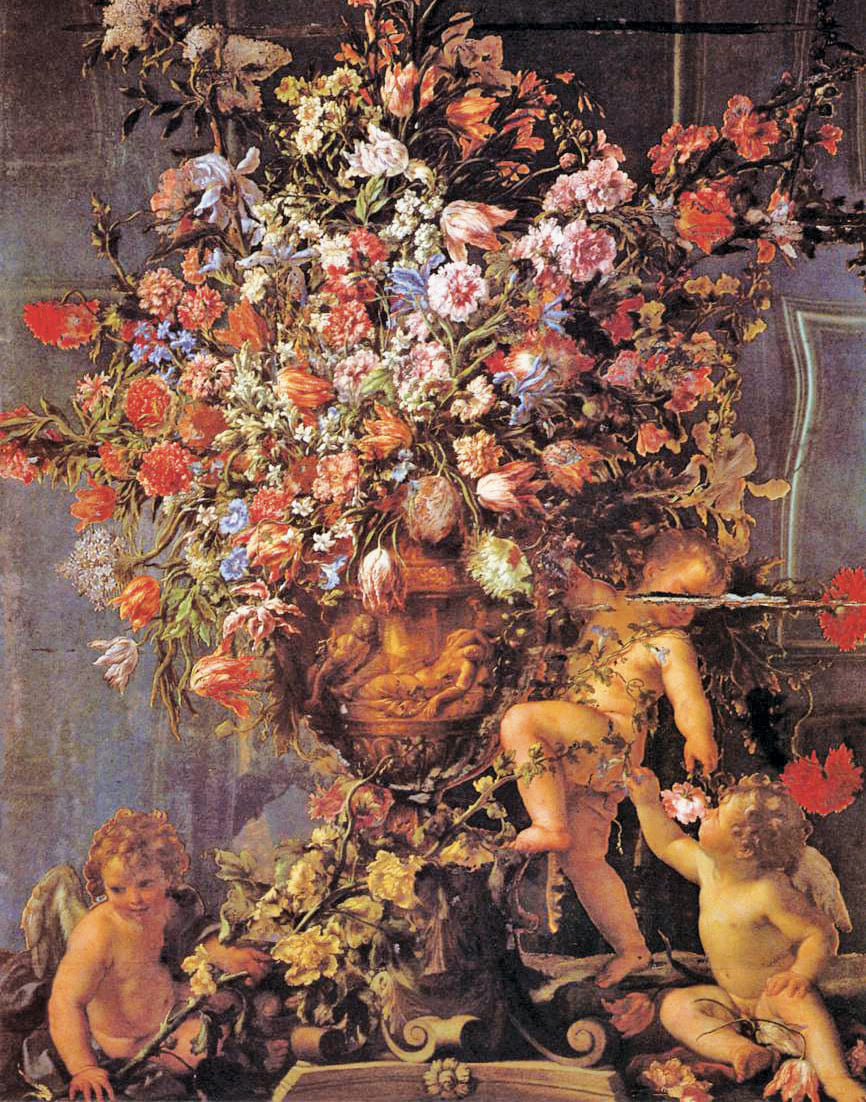
Baroque painter Mario Nuzzi was so celebrated for his exuberant floral still lifes that he became universally known as Mario de’ Fiori. His compositions are theatrical and abundant, with flowers overflowing in dramatic arrangements. One of his most famous works, Mirror with Three Putti, can be admired at Galleria Colonna.
Michelangelo, Sistine Chapel ceiling (floral details)
Amid the grandeur of the Sistine Chapel ceiling, Michelangelo incorporated subtle yet powerful vegetal motifs. Floral garlands and botanical elements appear in the decorative sections, symbolizing life, creation, and divine abundance. These details enrich the monumental narrative with a sense of natural vitality.
Ara Pacis Augustae
The Ara Pacis offers one of ancient Rome’s most refined celebrations of nature. Along the lower friezes, intricately carved vines, flowers, and leaves unfold in rhythmic patterns. These floral reliefs symbolize peace, prosperity, and renewal.
Hall of Flowers and Fruit, Vatican Pinacoteca
Tucked away in the Vatican Pinacoteca, the Hall of Flowers and Fruit provides a quiet moment of visual delight. Here, expertly painted blossoms and fruit arrangements reveal the artists’ technical mastery and close observation of nature. It is a lesser-known but rewarding stop for lovers of floral imagery.
Jan Brueghel the Elder, Vase of Flowers
Jan Brueghel the Elder transformed flowers into objects of wonder and luxury. His vases combine species that would never bloom together in nature, creating visual catalogs of botanical abundance. At Galleria Borghese, the Vase of Flowers stands as triumphs of Flemish precision and imagination.
Abraham Brueghel, Floral Still Life
Abraham Brueghel’s flower paintings are exuberant and richly colored. Baroque compositions overflow with blooms that dominate the canvas through their vitality and dramatic presence. His works at Palazzo Corsini perfectly capture the lavish spirit of Roman still-life painting.
Casina delle Civette, Villa Torlonia
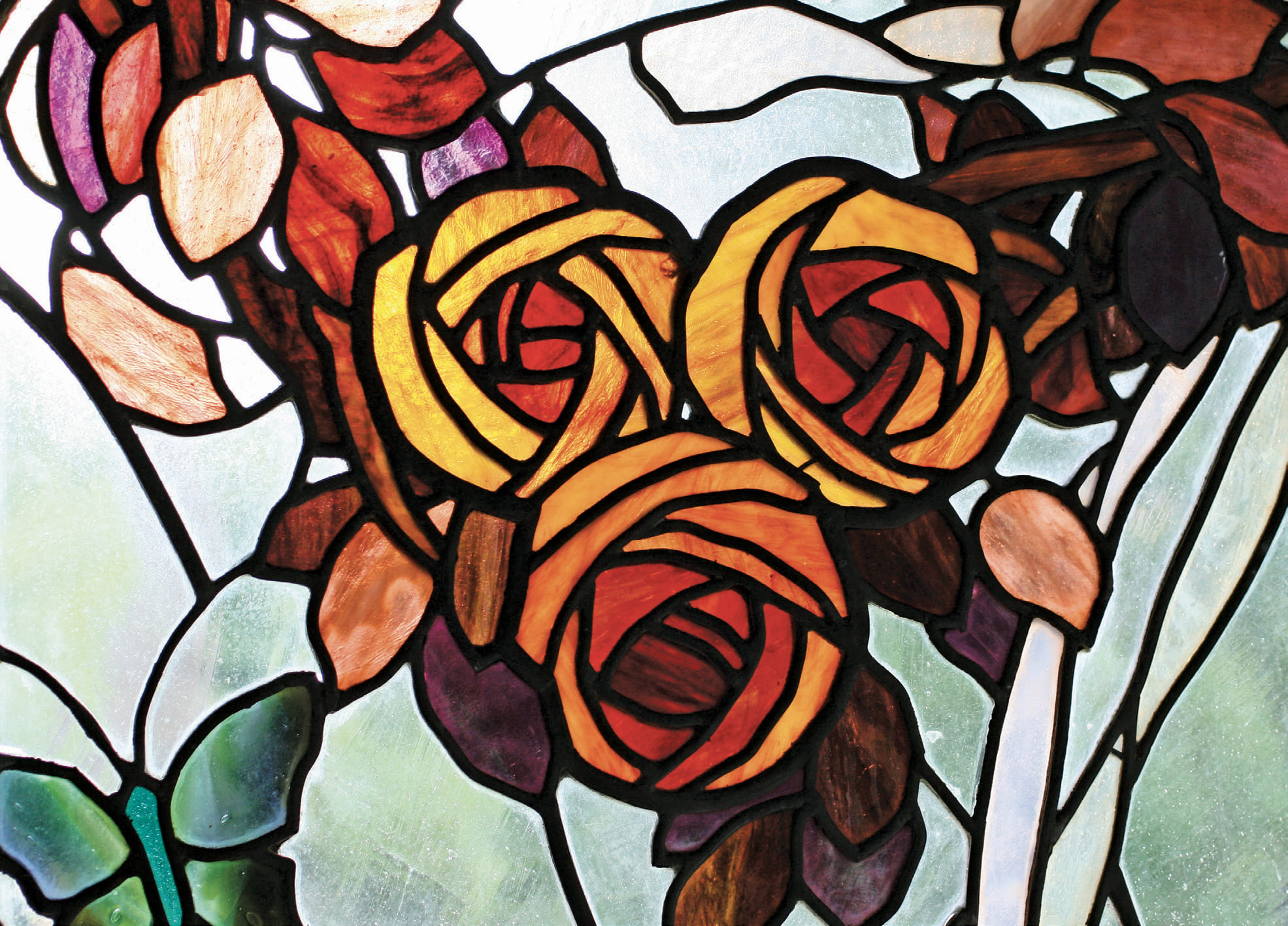
At the Casina delle Civette, floral imagery takes a luminous and unexpected form. Art Nouveau stained glass windows fill the whimsical building with flowers, fruits, and natural motifs rendered in glowing color. The Balcony of the Roses, designed by Paolo Paschetto, is a highlight where vibrant roses seem to bloom in light itself.
The Garden of Livia, Palazzo Massimo
Ancient Rome offers one of the most astonishing floral paintings in the Garden of Livia. Covering all four walls of a room, the frescoes depict a lush garden alive with trees, flowers such as poppies and daisies, and birds. Preserved today at Palazzo Massimo, this immersive masterpiece remains a timeless celebration of nature.
Not to be missed this month is the exhibition Flowers: Marvelous Nature, on view at DART – Chiostro del Bramante until September 6. This immersive experience blends artistic expression with scientific inquiry, celebrat- ing the full spectrum of life—plants, animals, and marine species. It explores the theme of flowers in art through the lens of a dynamic, harmonious ecosystem.
chiostrodelbramante.it