Behind The Doors Of The Quirinal
A walk through Rome’s presidential residence and centuries of power – By Leslie Ardengo
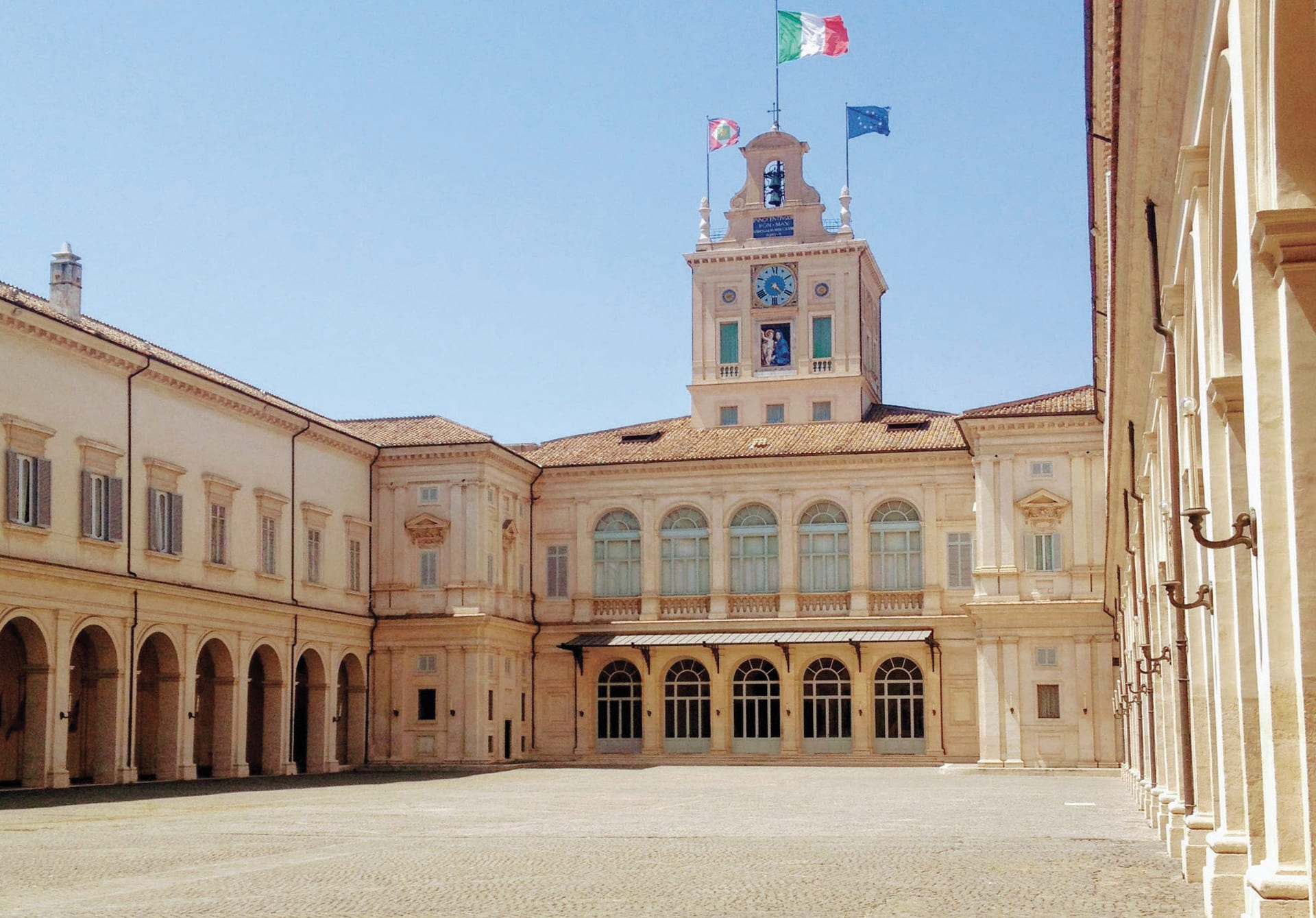
Perched atop the highest of Rome’s seven hills, the Quirinal Palace has watched over the city for centuries. Its origins reach back to ancient Rome, when a temple to the god Quirinus stood on this very spot. Later came imperial baths and sun temples, and much later still, in 1570, Pope Gregory XIII chose the hill as the site of his summer retreat.
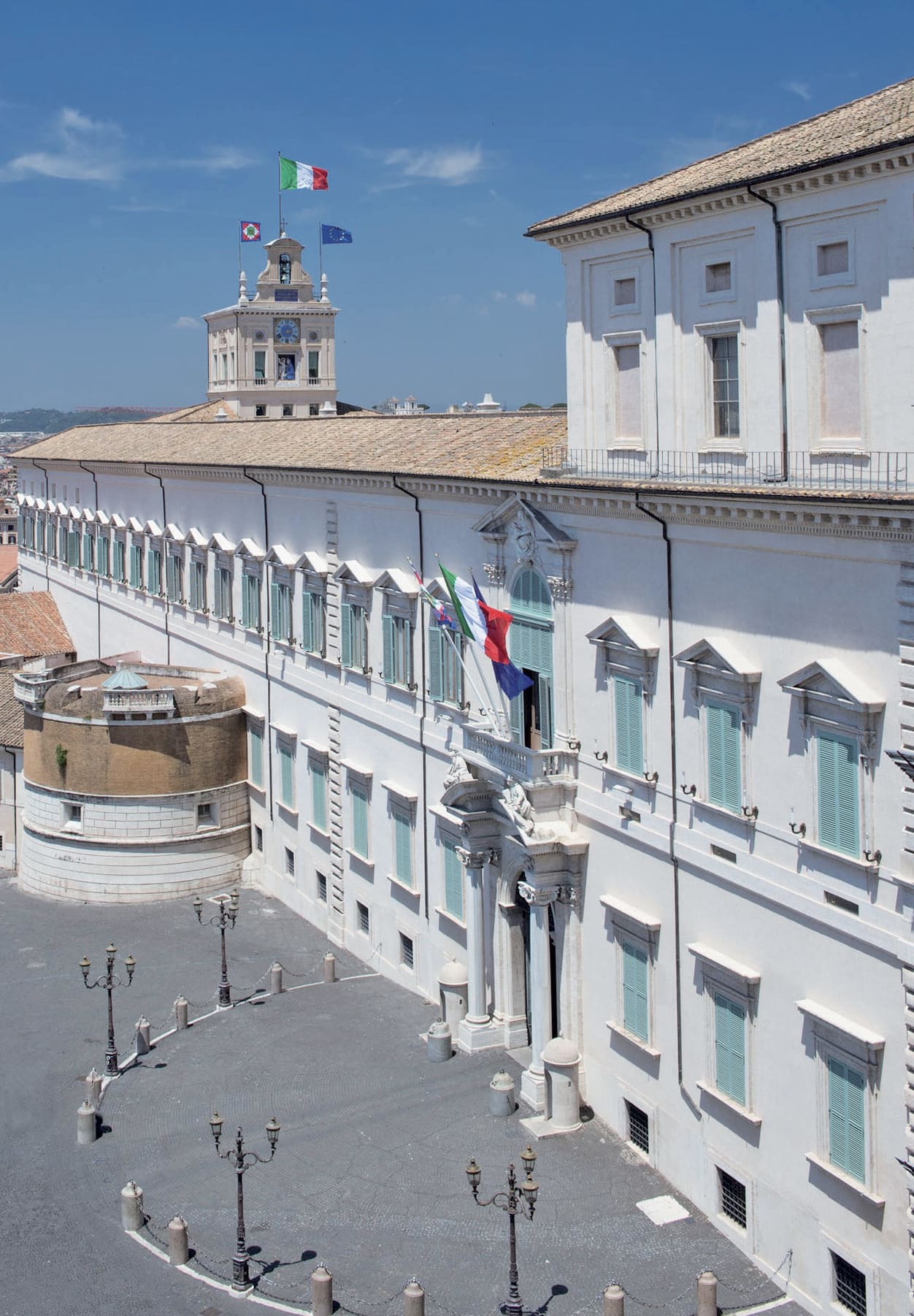
Successive popes expanded the palace with all the exuberance of the Baroque age. Bernini’s angels, Cortona’s frescoes, Maderno’s halls, an elegant 18th-century coffee house, and a lavishly painted pavilion are just some of the treasures left behind. By the time Italy was unified in the 19th century, the Quirinal had become one of the world’s largest palaces. And what was first home to popes and kings, finally became the residence of the presidents of the Italian Republic.
Today the palace remains a working seat of state, yet it welcomes visitors year-round. Its grand courtyard, imperial apartments, and endless corridors offer a rare glimpse into layers of papal, royal, and modern Italian history. The surrounding gardens—cultivated since the 1600s and normally closed to the public—unfurl over four serene hectares; they open for regular visits on guided tours and, exceptionally, every year on June 2, Italy’s Republic Day.
Touring the palace
There are two itineraries available. The classic 90-minute tour offers an overview of the Piano Nobile and the ground-floor exhibits, including an engaging display on the palace’s origins and the Italian constitution. The extended 2.5-hour tour adds the Vasella Room, the gardens, and the remarkable carriage collection housed in the former papal stables.
What you’ll experience
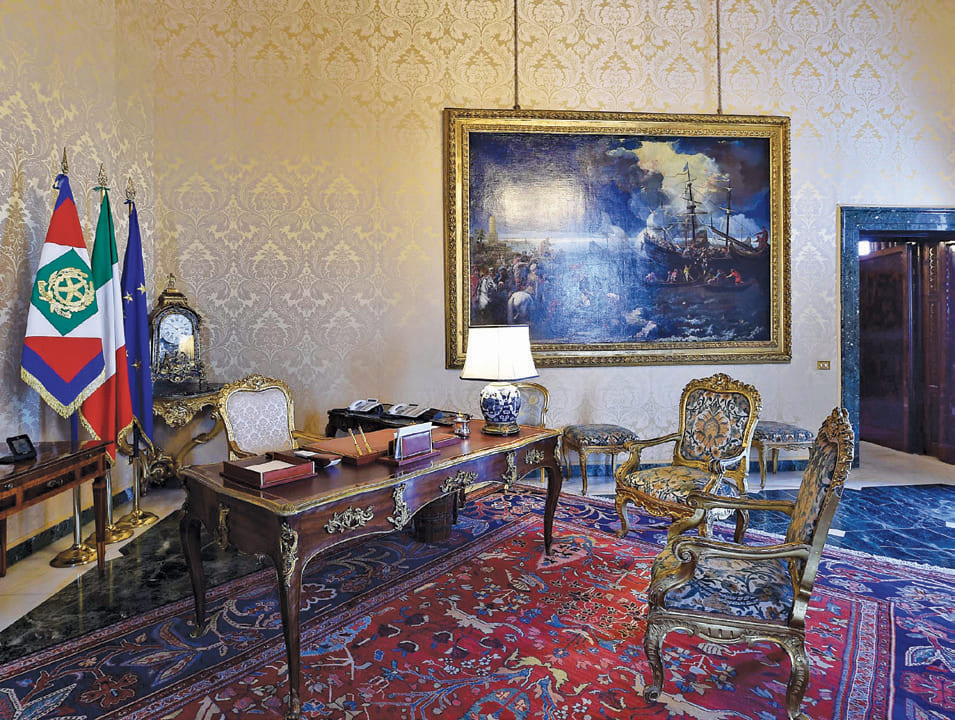
A visit to the Quirinal is a walk through centuries of Italian grandeur. Frescoed salons open onto rooms once used by popes, kings, and presidents. Glittering Murano chandeliers reflect on polished floors; ornate libraries, private chapels, spiral staircases, and royal relics reveal stories of courtly life. Highlights include: The Sala di Druso, once a papal audience chamber and later King Umberto I’s bedroom; the Paolina Chapel, still used for intimate concerts; the President’s Study, where global leaders are welcomed; Napoleon’s private “Salottino”. The Piffetti Library, an 18th-century gem; Mascherino’s 16th-century spiral staircase; Queen Margherita’s exquisite embroidered ball gown; dozens of historic baby prams, carriages, and royal curiosities.
The tour culminates in the historic stables, where dozens of ceremonial carriages recall the pageantry of eras past. Reservations are required: palazzo.quirinale. it/visitapalazzo/prenota.html
The Corazzieri: towering guardians of tradition
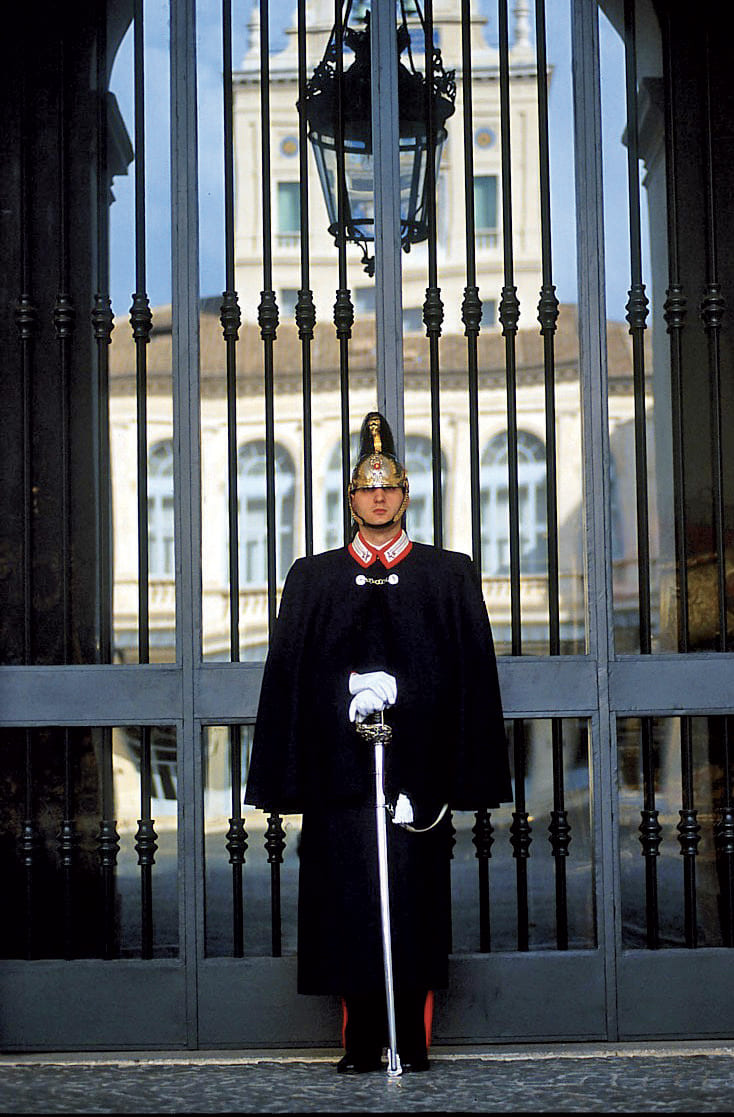
At Rome’s Quirinal Palace, grandeur arrives on horseback. The Corazzieri, the Italian Republic’s elite mounted guard, are an unforgettable presence: tall, polished, and steeped in ceremony. Part of the Carabinieri, this exclusive corps numbers just 280 men, each selected for exceptional discipline as well as for their height, standing over six feet tall. Their striking appearance is completed by hand-stitched uniforms and gleaming ceremonial armor, worn during state events and presidential escorts. Their story dates back to the 16th century, when a mounted guard corps was formed to protect the House of Savoy. Over time, the Corazzieri evolved into a symbol of prestige and loyalty, serving kings and, since 1946, the President of Italy. Today, visitors can glimpse this tradition up close. For the first time, the Corazzieri barracks—set within the serene grounds of Santa Susanna—are open for guided Saturday tours. Inside, you’ll find stables, historic armor, and ceremonial treasures, offering a rare behind-the-scenes look at one of Italy’s most distinguished institutions. Book your ticket on palazzo.quirinale.it/visitapalazzo/ prenotacaserma.html