The Egyptian Urbs
Explore ancient Egypt in the heart of Rome
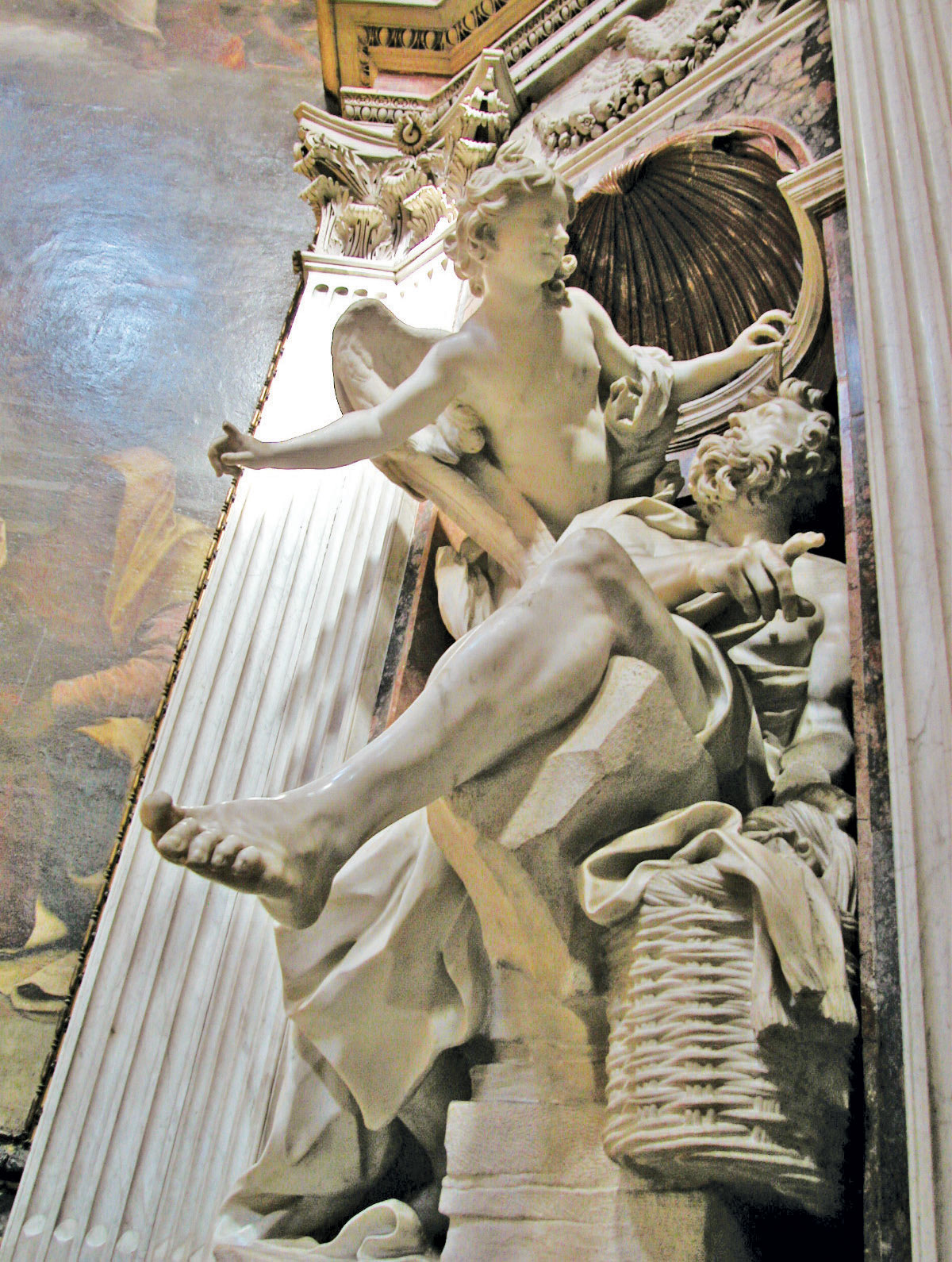
Santa Maria del Popolo houses dramatic Baroque chapels. Look for the Chigi Chapel, designed by Raphael and later completed by Bernini. Made famous by Dan Brown’s best seller Angels and Demons, Bernini’s marble sculpture group Habakkuk and the Angel can’t go unnoticed. The cupola of the basilica is surrounded by sculpted angels holding stars—cosmic messengers between heaven and earth.
Near the Pantheon, Santa Maria Sopra Minerva contains stunning frescoes and the tomb of St. Catherine of Siena. Above the altar and in side chapels, elegant angels playing musical instruments hover, their wings delicately stretched upwards. Built inside the ancient Baths of Diocletian, Santa Maria degli Angeli e dei Martiri fuses Roman grandeur with Christian mysticism. Designed by Michelangelo, it features celestial murals and statues— including angels that seem to emerge from the ruins themselves, linking past and present. A true hidden gem, Santa Prassede’s Chapel of St. Zeno contains 9th-century mosaics that shimmer with Byzantine angels—tall, solemn, and radiant with multicolored wings. When visiting Santa Cecilia in Trastevere don’t miss Pietro Cavallini’s 13th-century fresco in the apse, where graceful angels surround Christ. These are among the earliest examples of naturalistic angelic art in Rome. Perhaps the most famous angel in Rome resides in Santa Maria della Vittoria. Bernini’s Ecstasy of St. Teresa shows a smiling angel gently piercing the saint’s heart with a golden arrow. It’s dramatic, emotional, and unforgettable.
A touch of sorrow: the Angel of Grief
In the peaceful Protestant Cemetery, near the Pyramid of Cestius, stands one of Rome’s most poignant sculptures: the Angel of Grief. Created by American artist William Wetmore Story for his wife’s tomb in 1894, it shows an angel collapsed in mourning, wings drooping in sorrow. It’s a moving reminder of love, loss, and the eternal spirit.