Rome’s quiet summer
From miraculous flower showers to starlit evenings along the Tiber, summer unveils a gentler, more authentic Rome – By Sol Stein
After months of crowds, clamor, and ceaseless motion, the Eternal City softens under the weight of summer heat. The streets grow calmer, the air more languid, and the Roman sun casts a slower, golden rhythm over daily life. For travelers willing to embrace the warmth, August in particular reveals a rare and intimate side of the capital, one that locals know well and visitors seldom see.
August is a month of miracles, both ancient and modern. At Santa Maria Maggiore, jasmine petals fall from the ceiling on August 5, recreating the miraculous summer snowfall that marked the church’s founding. Days later, Romans look skyward for the Perseid shower of San Lorenzo, gathering on terraces and riverbanks to watch shooting stars and make quiet wishes beneath the night sky. But perhaps the greatest marvel of all is the annual exodus, when Romans leave the city to go relax on the coast. Traffic thins, crowds disperse, and the city briefly reclaims its quiet and contemplative self.
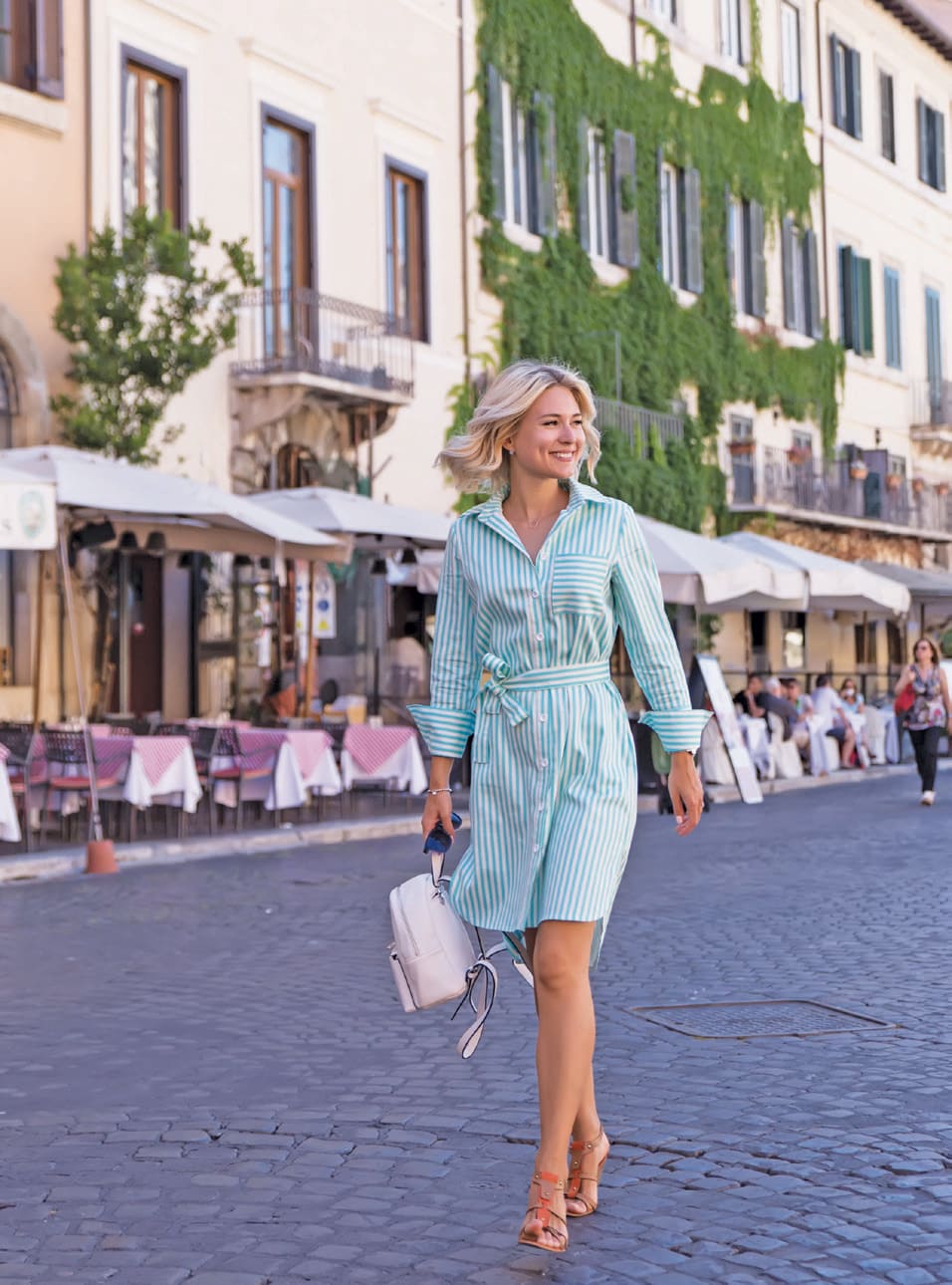
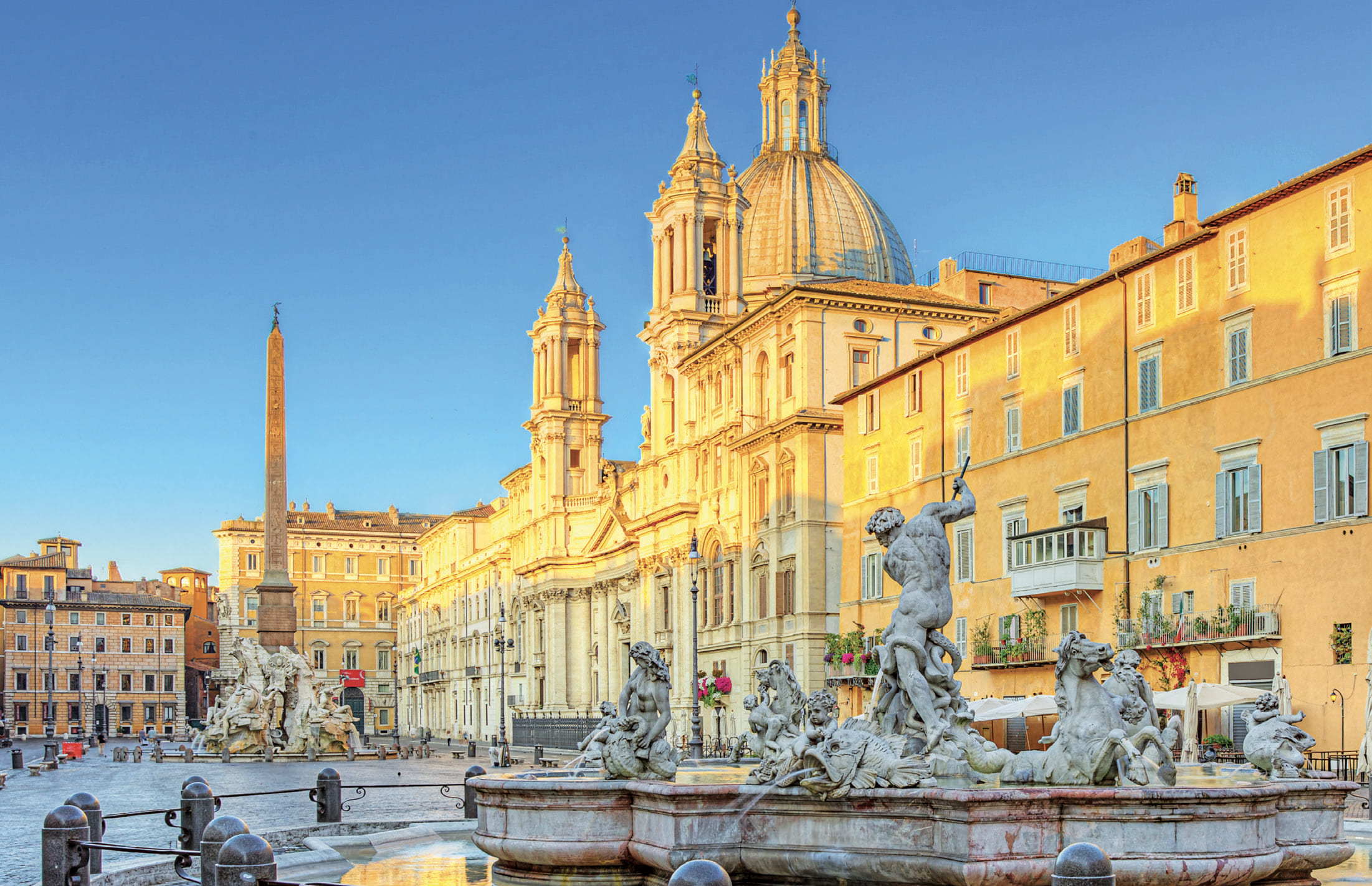
Without the usual roar of engines and voices, Rome’s neighborhoods invite wandering in a way that feels revelatory. The winding streets of Trastevere, typically choked with traffic and buzzing with activity, become open-air corridors for exploration. In the historic center, narrow alleyways and arched passageways finally fulfill their purpose, welcoming people rather than cars. This is the perfect season for the passeggiata, Italy’s beloved evening stroll, usually nearly impossible amid the congestion of the rest of the year.
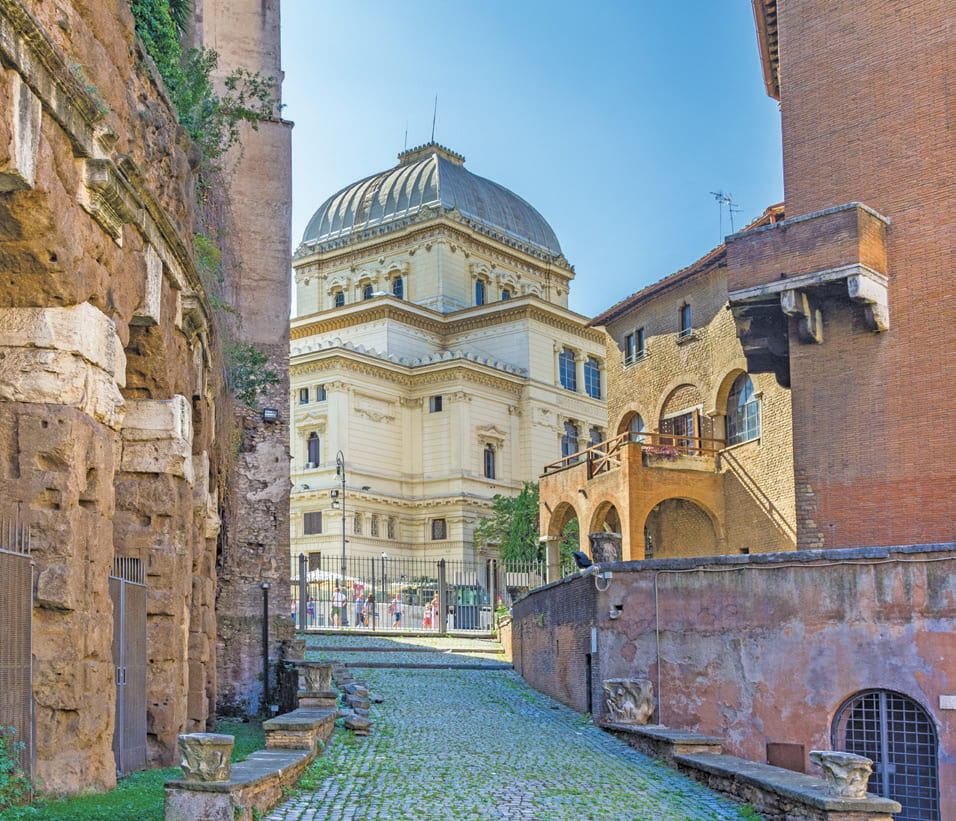
The lack of traffic and noise changes everything. Archaeological sites and historic piazzas, often overwhelmed by visitors, feel newly accessible and almost personal. Museums, usually packed and hurried, become calm sanctuaries, places where art can be absorbed slowly, without distraction or pressure.
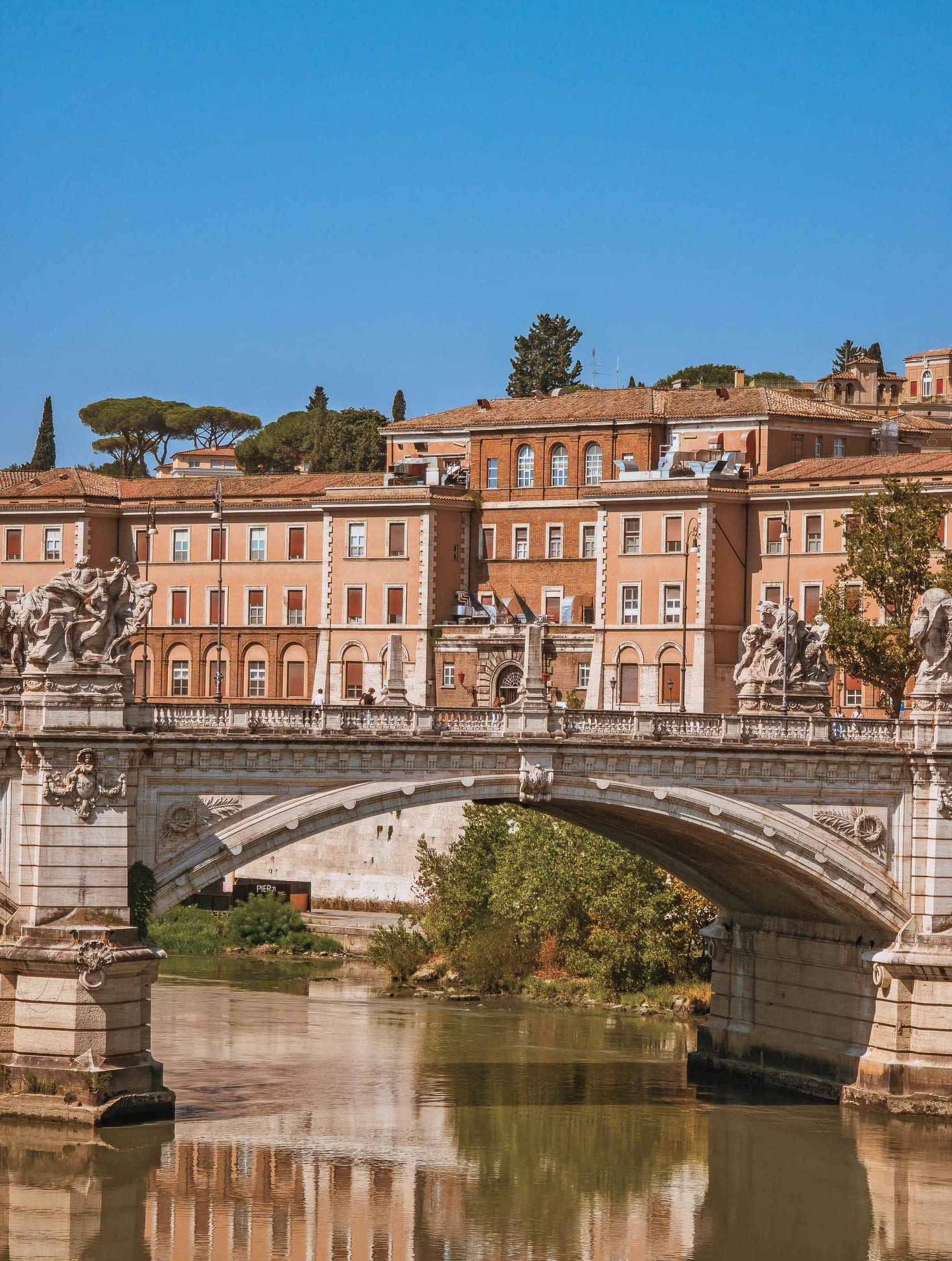
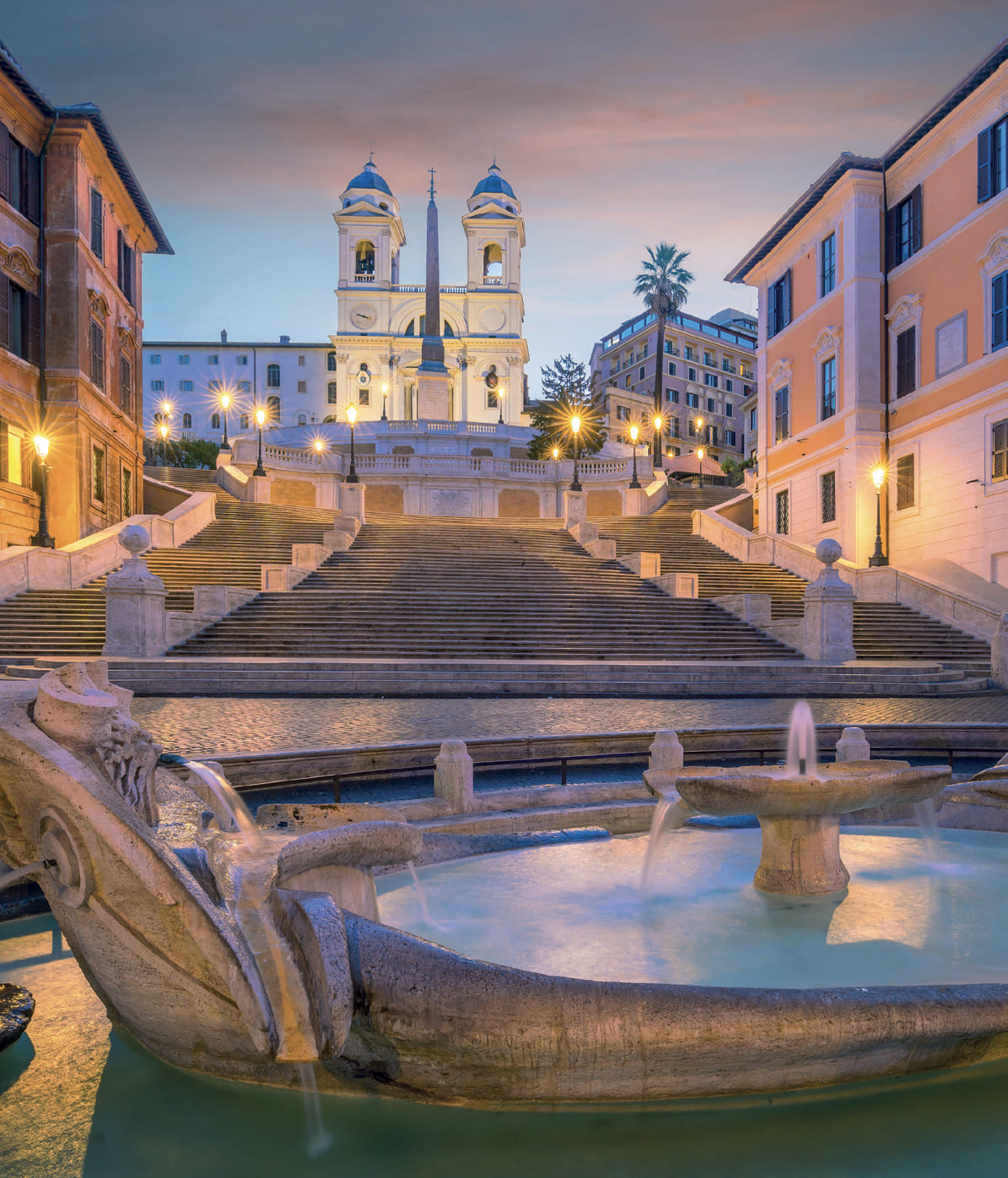
Of course, the heat itself becomes part of the experience. In summer, mornings begin early, with soft light spilling across domes and rooftops, while afternoons encourage retreat into cool interiors, shaded courtyards, or long, leisurely lunches. Fountains offer brief relief, and gelato becomes less of a treat and more of a daily ritual. Despite appearances, however, Rome does not completely shut down in July and August. While many residents escape to the coast or the mountains, many restaurants, cafés, and shops remain open, often with a more relaxed and welcoming atmosphere. The city’s cultural heart continues to beat through Estate Romana, a citywide summer festival that fills evenings with music, openair cinema, theater, and art exhibitions. Along the Tiber, pop-up bars and riverside events create a festive, almost dreamlike ambiance as the heat of the day fades.