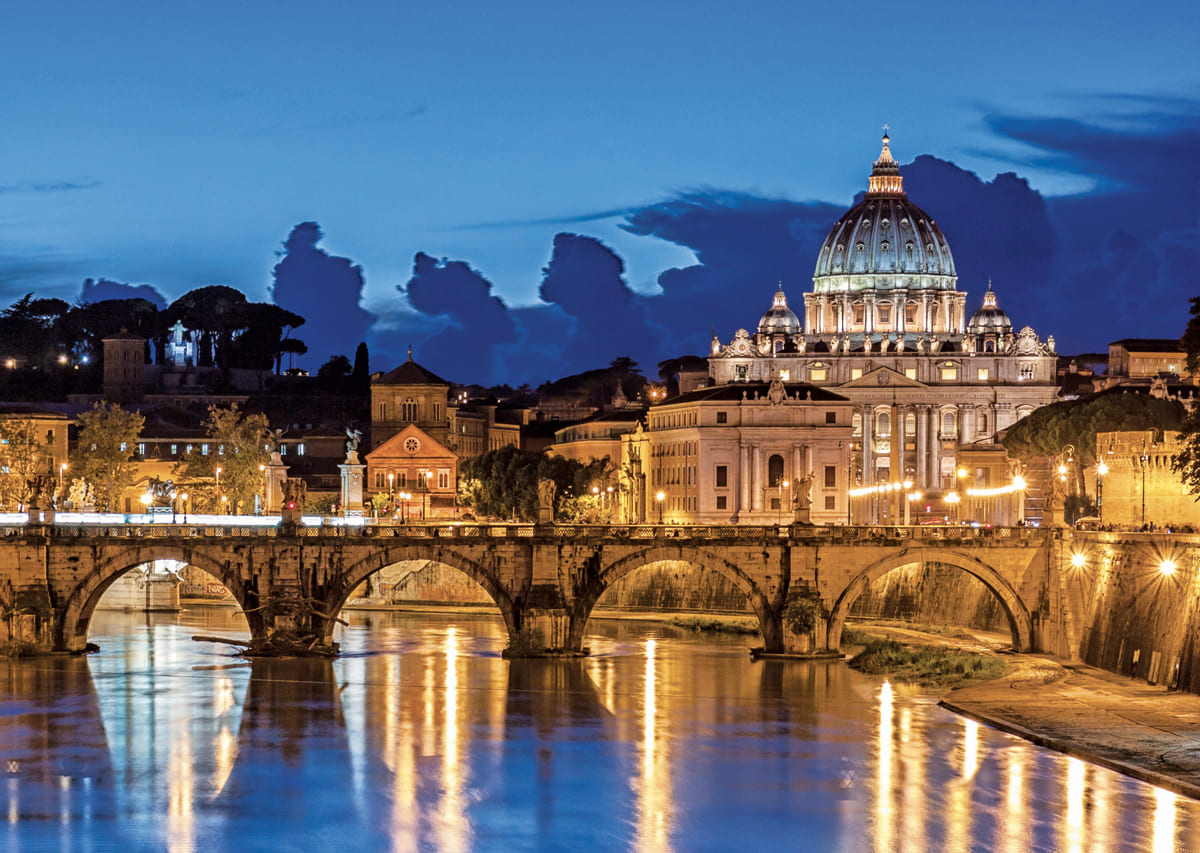
shutterstock/Francesco Bucchi
The Flow Of The Centuries
Beyond the marble and grandeur of the Eternal City lies something quieter, more enduring: the Tiber river
Rome dazzles with treasures at every turn—fountains that sing in piazzas, churches crowned with frescoes, palazzi echoing with centuries of secrets. And in the middle of all this flows the Tiber river, a witness to millennia of Rome’s history.
The river isn’t just water flowing through stone; it is Rome’s soul. Long before emperors carved their names into history, the Tiber carried the lifeblood of empire. Ships rowed in from the Mediterranean, their hulls heavy with grain, wine, and silk. At the bustling Foro Boario, merchants unloaded treasures. Broken amphorae piled so high they created Monte dei Cocci in Testaccio, a man-made hill that still stands today. Without the Tiber, there would have been no Rome.
As the city expanded, new ports rose— Emporium, Ripetta, Ripa Grande—each meeting the demands of a metropolis hungry for more. Barges floated past the rising walls of the Vatican, carrying the stone that built its splendor. Even in the 17th century, as Pope Innocent XII expanded ports, the river remained Rome’s central artery.
But the river could be both giver and destroyer. In December 1870, a catastrophic flood led to the construction of the towering embankments that still line its course. These walls saved Rome from devastation but also pushed the river into the background, transforming it from the city’s beating heart into something glimpsed between stone barriers. Yet the Tiber has never lost its allure. Today, 25 bridges span its waters, each telling a story. The ancient Ponte Fabricio still carries Romans to the Tiber Island (Isola Tiberina) while Ponte Sant’Angelo, adorned with Bernini’s angels, glows at sunset. Ponte Sisto leads to Trastevere, where cobbled streets buzz with trattorias and music. Walking across these bridges is like moving through time, from antiquity to the present, in a few graceful steps.
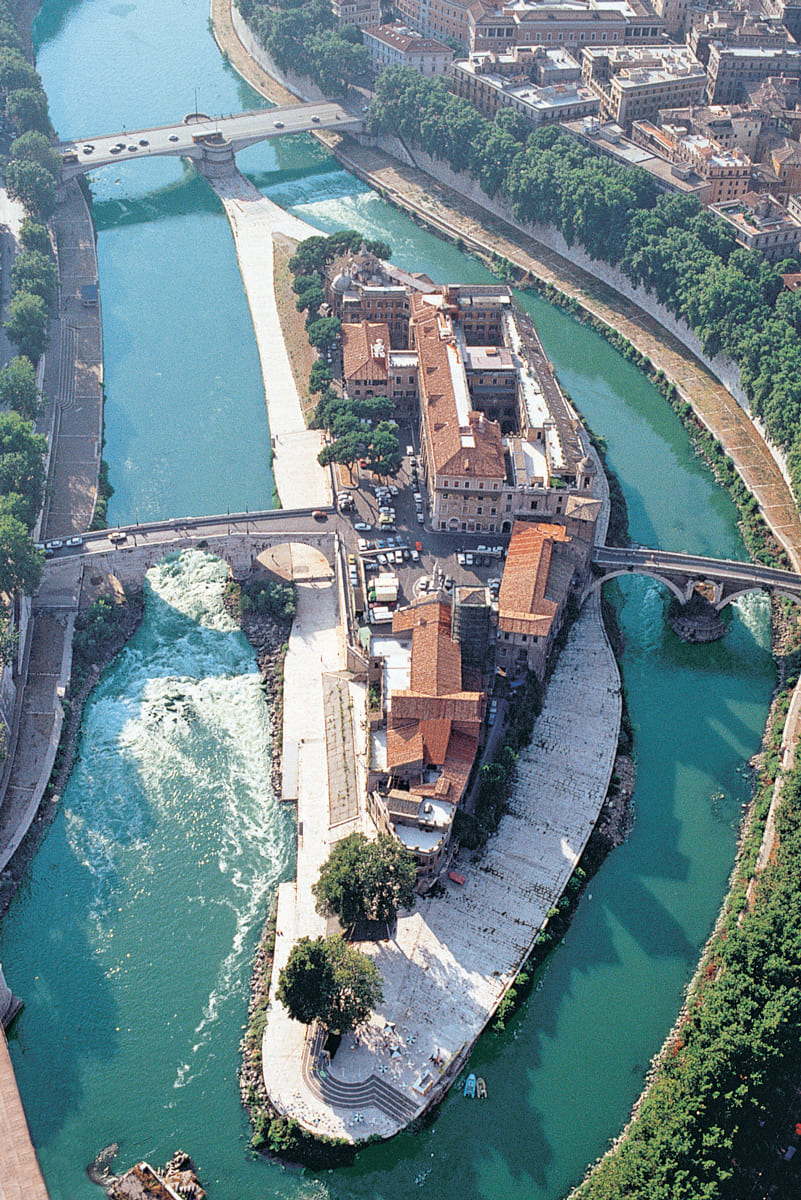
Tiber Island
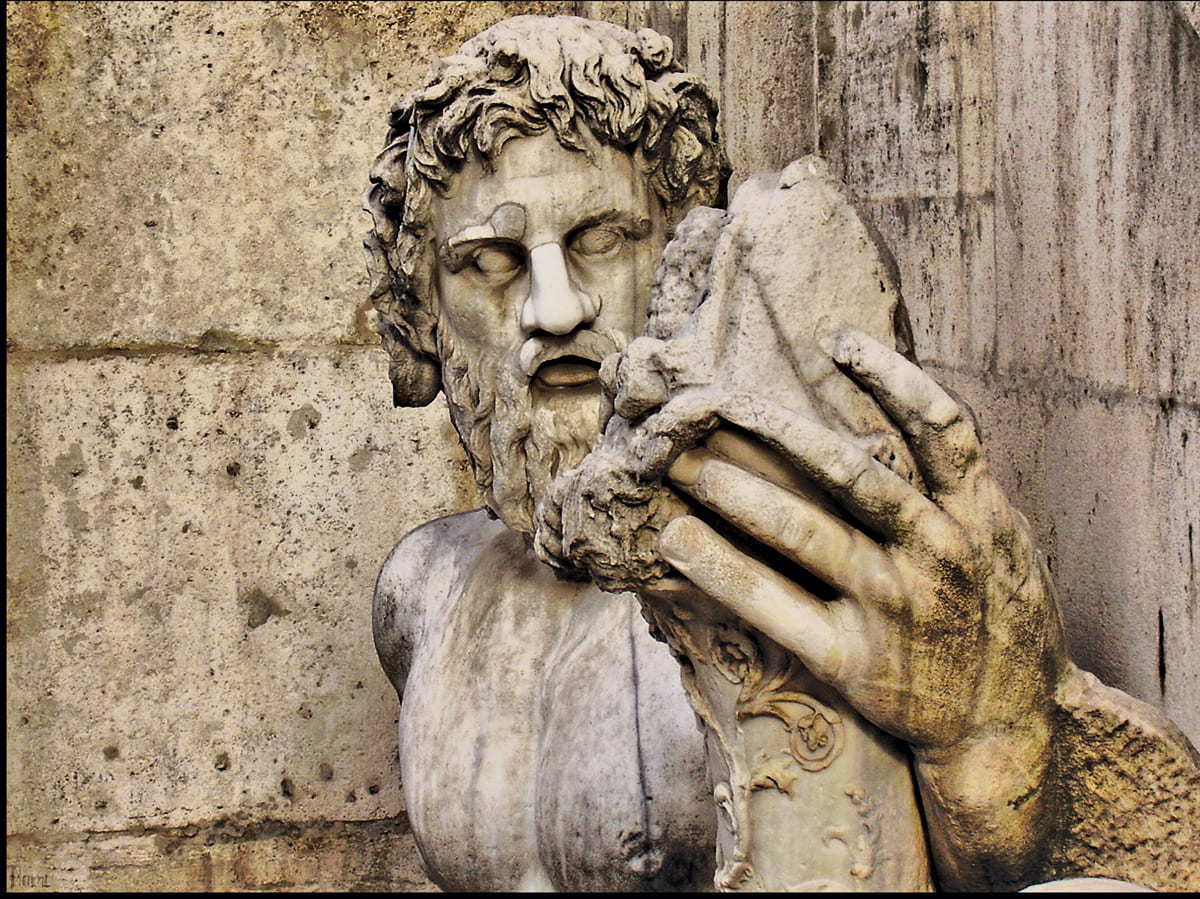
A statue representing the Tiber
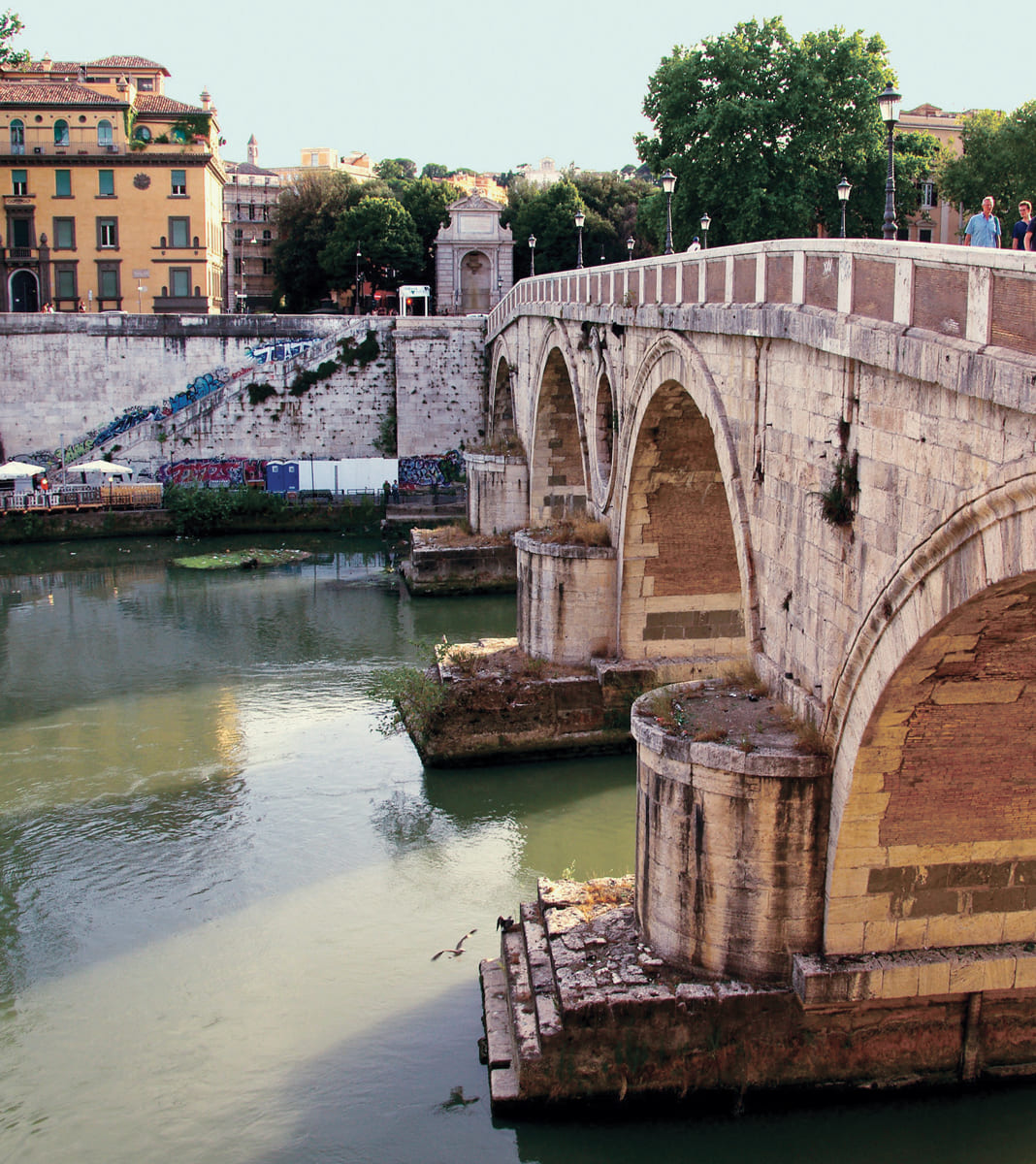
The river flowing under Ponte Sisto
At dusk, the river comes alive with a different kind of beauty. Its waters shimmer “bionde”—blond—in the fading light, turning gold as the domes and rooftops of Rome glow against the sky. Stand on a bridge and you’ll understand why poets adored it: the scene is nothing short of eternal.
Today the Tiber no longer bustles with commerce, but life still flows along its banks, with runners, cyclists, and lovers sharing its paths. Though proposals to restore navigation resurface from time to time, the river’s real gift is quieter: perspective. To pause beside its waters is to feel the layers of Rome itself—victory and loss, splendor and struggle, past and present flowing together. If monuments are Rome’s face, the Tiber is its soul: eternal, unhurried, endlessly moving forward. Long after empires crumbled and emperors faded into legend, the river kept flowing, binding Rome’s story in one golden current.